


The Marmara Islands Artificial Reef Project is revitalizing life under the sea.
The first monitoring report of the Marmara Islands Artificial Reef Project, launched last year by Akçansa, a joint venture between Sabancı Holding and Heidelberg Materials, in collaboration with the Marmara Island Gündoğdu Village Development and Beautification Association and with the consultancy of Balıkesir University and Çanakkale Onsekiz Mart University, has been published.
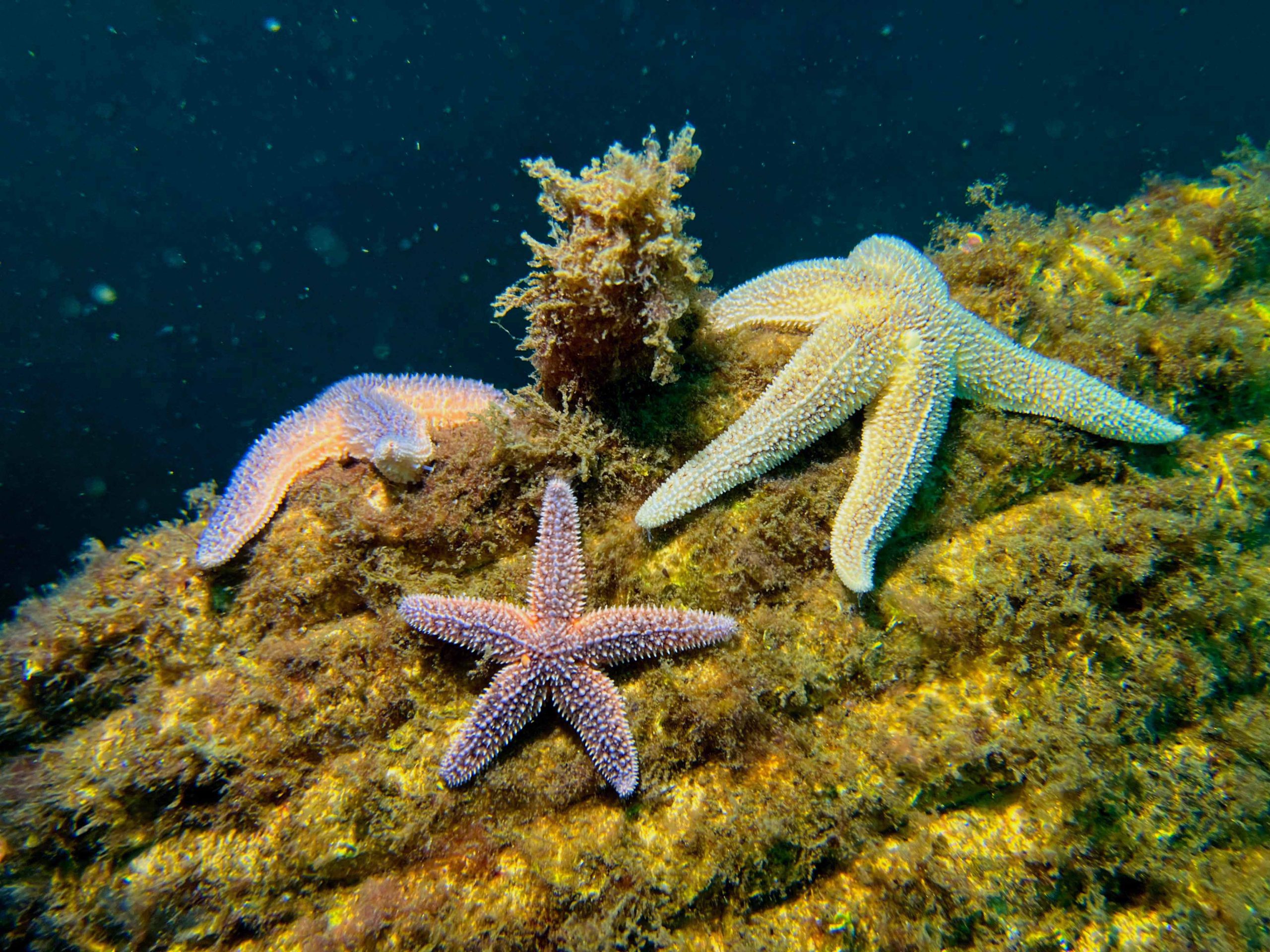
According to the initial findings of the project, in which a total of 280 artificial reefs, 160 of which are 3D, were placed on the seabed of the Sea of Marmara, marine life began to stir around the reefs, and at the end of the one-year period, 33 different species were identified, 10 of which were fish. An increase was also observed in the number of economically valuable fish species such as Karagöz and Eşkina in the reef clusters.
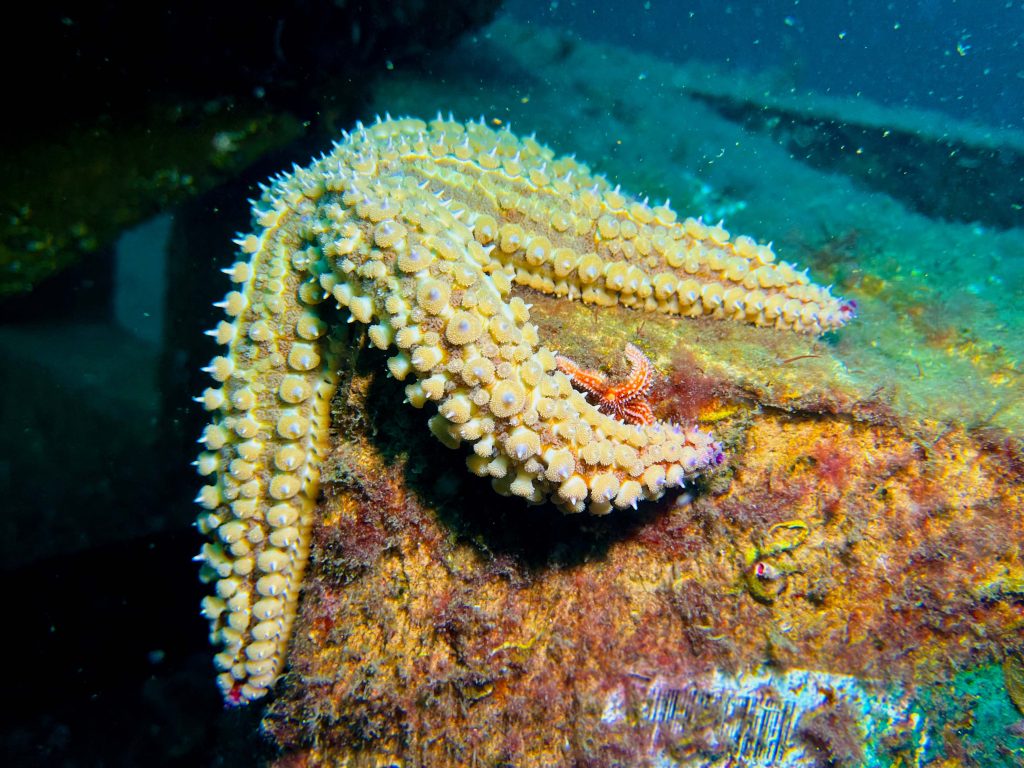
The Pina mussel (Pinna nobilis), native to the Mediterranean and classified as ‘critically endangered‘ on the Red List of Threatened Species compiled by the International Union for Conservation of Nature (IUCN), is found around reefs, and an increase in the fish population settling on the reefs is anticipated.
The Pina mussel, listed on the Red List, was identified.
To contribute to the shelter, feeding, and increased diversity of marine life, 280 artificial reefs, 160 of which were produced in 3D, were placed underwater and began providing a habitat for 33 different marine species, including 10 fish species, over the past year. Among these species are economically valuable fish such as the European seabream (Diplodus vulgaris) and the striped seabream (Sciaena umbra), while the protected Maya crab (Maja squinado), whose hunting is prohibited around the reefs, has also been spotted.

In addition, the Pina mussel (Pinna nobilis), listed as threatened by the International Union for Conservation of Nature (IUCN) and added to the red list, was also identified in the reef clusters. Pina mussels, which are of great importance for the continuation of the marine ecosystem, play a significant role against mucilage by being able to clean 6 liters of seawater per hour.
The report states that the marine ecosystem has improved and biodiversity has increased in areas with artificial reefs, noting that the reefs have become breeding and feeding grounds for fish, leading to an increase in fish populations.
“The project will contribute to our sustainable future.”
Akçansa General Manager Vecih Yılmaz said the following in his statement regarding the report: “In line with our vision of being Turkey's sustainable building materials company with the highest stakeholder value, we are delighted to see the first positive results of the Marmara Islands Artificial Reef Project, which aims to support the ecosystem, protect biodiversity, and benefit marine life. According to initial observations, the detection of 33 different species around the reef clusters is highly valuable in demonstrating the ecological contribution of the reefs to the Marmara Sea. The study's finding that the number of fish settling on the reefs will increase gives us all hope regarding the project's contribution to our sustainable future. We will continue to closely monitor our project. As Akçansa, we will continue to work towards a more livable tomorrow.”
“Our country needs such good examples.”
Bayram Öztürk, President of the Turkish Marine Research Foundation, said: “Marmara Island serves as a stepping stone for the protection of biodiversity in the Marmara Sea. Therefore, the Marmara Islands artificial reef project stands out as both an important and exemplary initiative for the protection of the Marmara Sea. I have never seen such a large Eşkina population within reefs anywhere else in the Marmara Sea. Our country needs such good examples. The reef area must be protected from pollution, and everyone must embrace the project.”
“The observed diversity and attachment to the reefs give us great hope for the future.”
Project Initiative Group Leader Hüseyin Semerci also made the following statement on the subject: We started the Marmara Islands Artificial Reefs Project to contribute to biological diversity and the underwater population. Our project consists of six fields, each with six reef clusters. After a year had passed, we conducted a monitoring study with the support of TÜDAV to observe the life forms developing on the reefs. The diversity observed in the early stages and the attachment to the reefs gave us great hope and excitement for the future. We will continue to work within the scope of our project for the sustainable future of our seas.”.




 English