



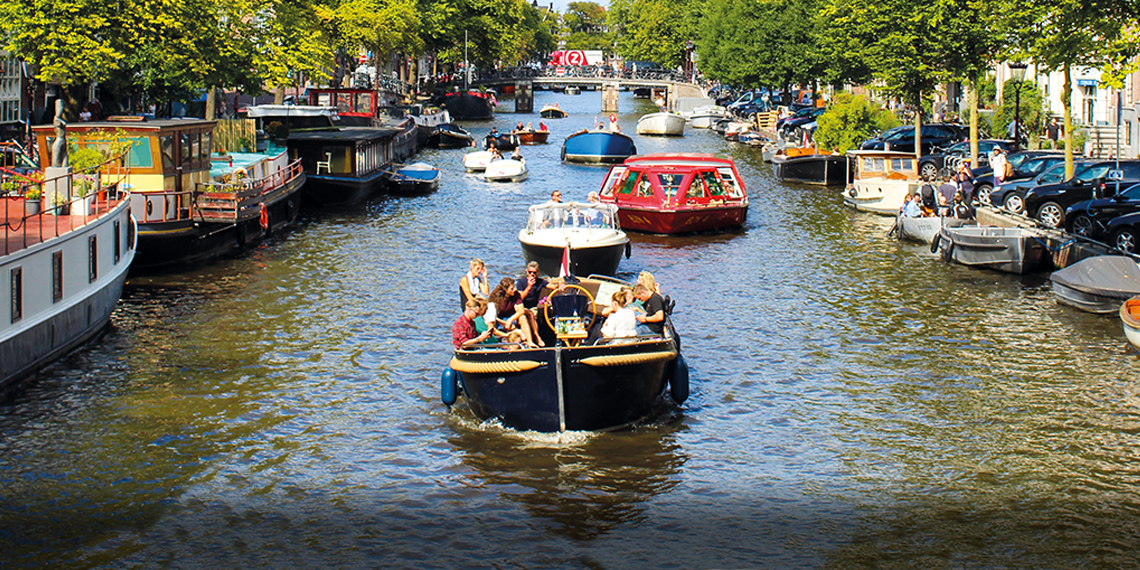
In recent years, as in every field, interest in electric vehicles has been increasing in maritime sector. The Turkish shipbuilding industry, which closely follows developments in the construction of electric marine vehicles, has rolled up its sleeves to electrify recreational boats sailing in inland waters.
In a period when the use of alternative energy sources to fossil fuels is closely followed by the maritime sector and the environmental rules of the International Maritime Organization (IMO) are strictly implemented, increasing the environmental sensitivity of recreational boats seems to be an inevitable process.
Electric models have been developed and put into service in some countries for these marine vessels, which are frequently used in rivers, lakes and coastal coastlines. Turkish shipyards, which have international experience in ship and yacht construction, have made a name for themselves in the construction of electric marine vessels by keeping up with the developing technology. Combining this experience with technological developments, shipyards are preparing to launch more environmentally friendly and more economical projects for recreational boats.
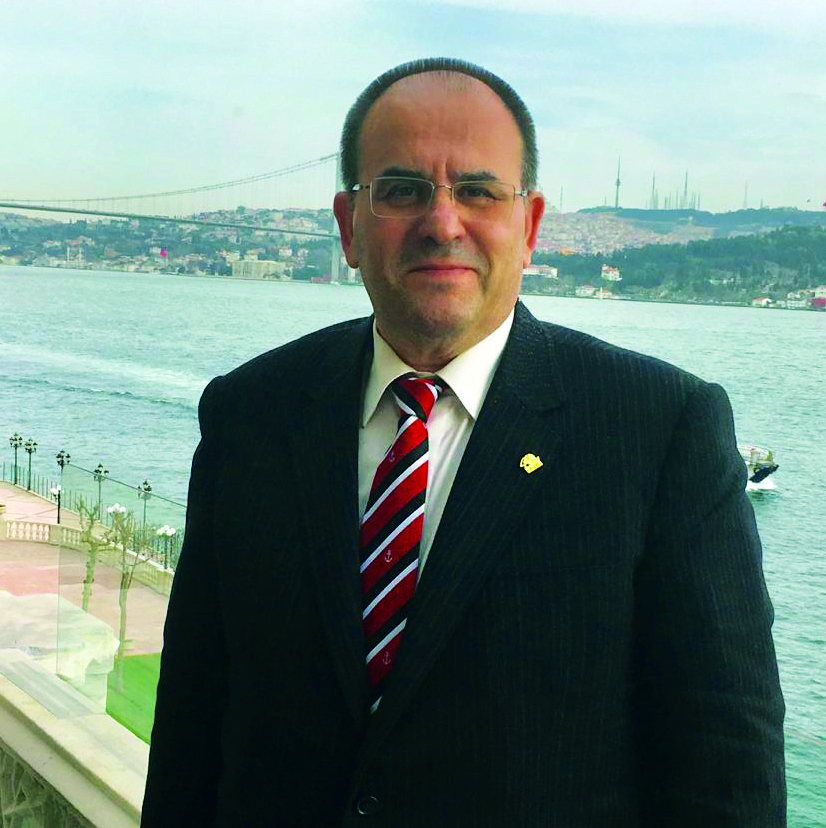
Senamare Yacht Chairman
Orhan Torlak, one of the leading names in the Turkish shipbuilding industry, Vice Chairman of the Board of Directors of the Association of Shipbuilding Industrialists and also Chairman of the Board of Directors of Tortur Denizcilik and Senamare Yat, announced the electric cruise boat project they are carrying out in order to reduce the environmental impact of cruise boats traveling especially in stagnant waters.
Target: Mass production and export
Stating that they are working intensively on a feasible and sustainable project with an original design, Torlak said, “The use of fossil fuel-powered recreational boats in the world and in Turkey in stagnant waters is not appropriate in terms of environmental impacts. For this reason, in developed countries, such marine vehicles are converted to electric with solar energy or battery systems. I have been researching on this subject for a few years. Some such projects have been realized in our country, but I have been working intensively for a more professional, more applicable and sustainable boat. We worked on a design that belongs to us,” he said.
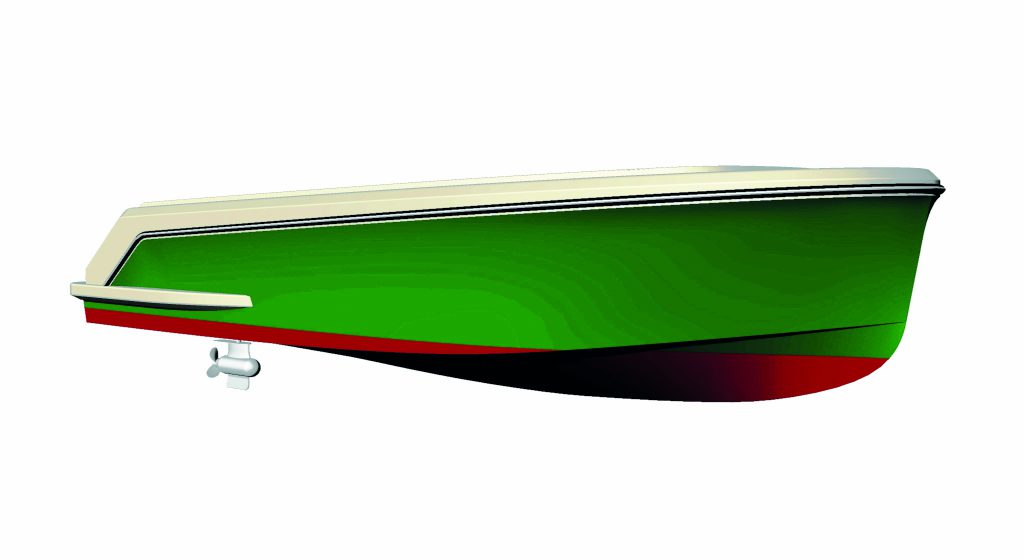
Senamare, which built the first recreational boat manufactured from fiberglass with a length of 7.40 meters and a width of 2.4 meters with a capacity of 12 people, continues its negotiations with government agencies and relevant organizations in order to make the recreational boats used in Turkey more environmentally friendly. Orhan Torlak, Chairman of the Board of Directors of Senamare, who said that they aim to export boats with original design to abroad, stated that they are conducting negotiations towards their export targets. Torlak added that they are in contact with some Dutch companies in line with their export targets.
Two models to be unveiled
Senamare will launch the first products within the scope of the electric marine vehicles project, which is planned in two models: boat and cabin, in the spring. Users will enjoy the pleasure of cruising in the two-person cabin model, and will find an environmentally friendly and quiet travel opportunity with the boat model. Every detail has been considered for a fun and comfortable trip in the cabin model, which will allow vacation and accommodation on the sea on weekends.

Stating that the boats suitable for the use of renewable energy sources are not only environmentally friendly but also user-friendly in terms of cost, Orhan Torlak said, “Our goal is to make such marine vehicles more economical, to determine our costs accordingly and to appeal to a wide user base. We can say that it will be more economical than normal yachts and pleasure boats. However, the initial investment cost may be a bit high due to the fact that electric engines are more costly than diesel engines. Considering the fuel cost and operating cost during the time you use it, an advantage of 1 to 8 can be obtained. Above all, the user will have a quiet boat that is sensitive to the environment and will not cause environmental pollution.’.
Depending on the battery capacity, the boats will offer the opportunity to cruise for about 3 hours at a speed of 5-6 knots, and it is also possible to extend the pleasure of cruising by reducing the speed, and to continue cruising all day by increasing the battery capacity or obtaining energy from solar panels.





 English