



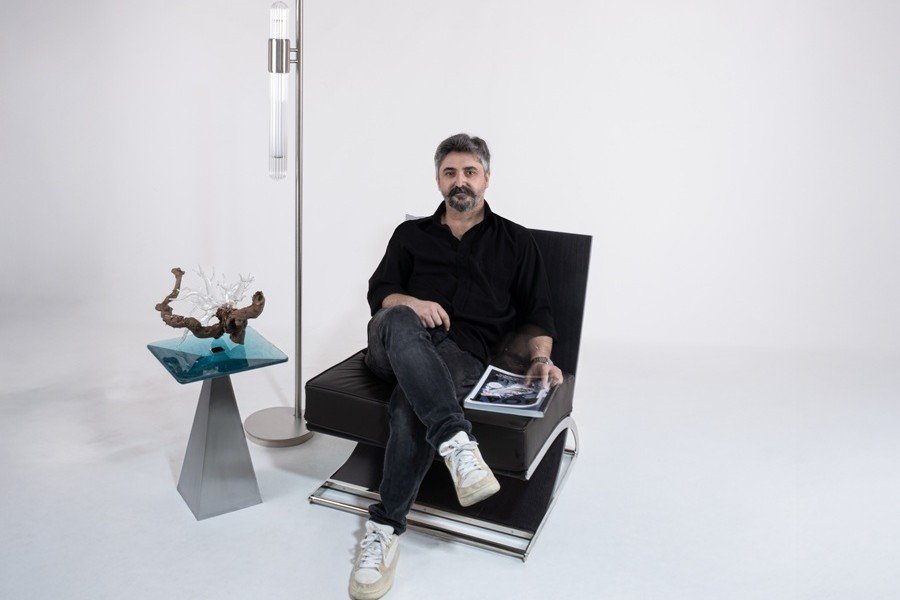
Glass has become one of the most expressive materials in contemporary superyacht design, shaping light, atmosphere, and spatial identity with remarkable clarity. In this special interview, Faik Kale, Co-Founder and Design Director of SAKEN Design, shares the brand's refined approach to glass as both an artistic and architectural element, its commitment to craftsmanship-led production, and SAKEN’s positioning within the international superyacht design landscape.
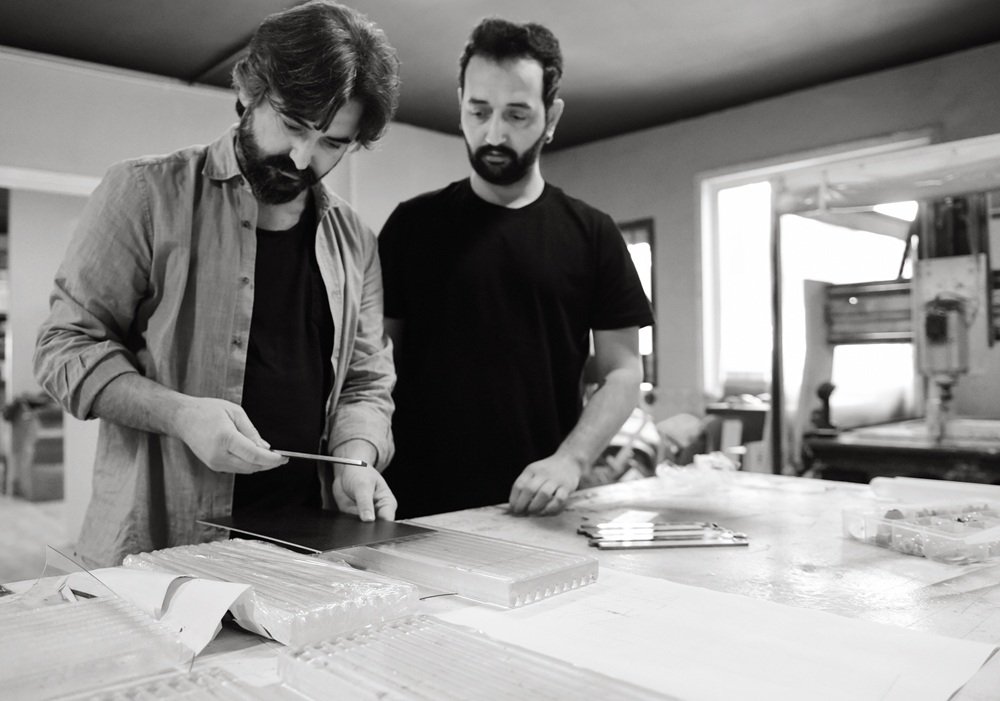
“It creates an output process that brings the product and the artwork together.”
SAKEN's story is quite unique. Where does the combination of industrial design and glass craftsmanship in yachting position your brand today?
”We can describe it as a form of work rooted in interdisciplinary collaboration and driven by innovation. While design seeks to answer questions related to needs through products, glass art represents a journey of creating works by blending the artist's relationship with the material, production techniques, emotions, and the craftsmanship refined over time.
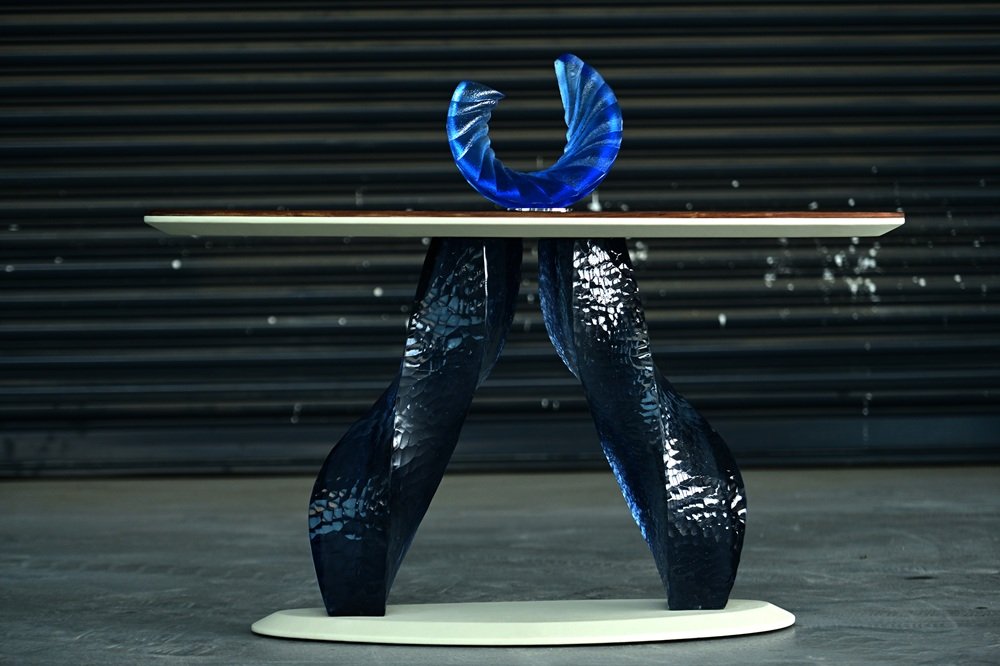
Saken brings together the concept of the “product,” which is the output of industrial product design, and the concept of the “artwork,” which is the output of glass art. In doing so, it transforms a form imbued with emotion into an object, creating a unique output process we can call an “artwork product.”
This approach positions Saken within a niche segment.
“Glass provides a powerful response to the emotional quest of luxury yacht owners and designers.”
Superyacht owners and designers are seeking personalized art and materials. What role does glass play in this new understanding of luxury?
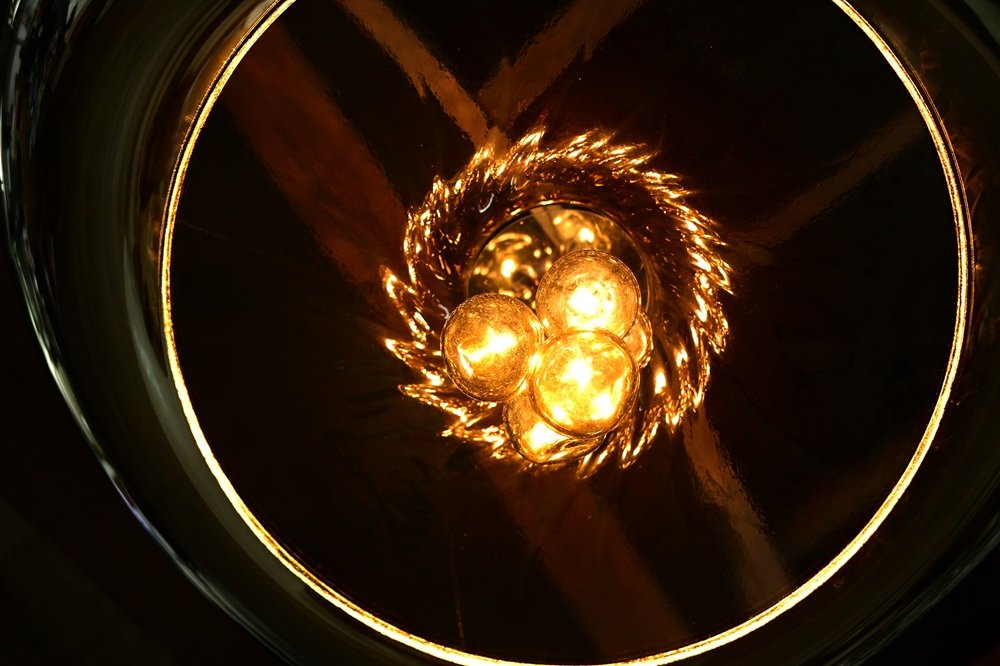
”This quest is not new; since the beginning of existence, humans have desired beauty, difference, and what belongs solely to them. What makes glass special is glass itself. It is neither fully solid nor fully liquid; it has a living character.
Glass production does not tolerate haste-it requires precision, care, and mastery. It is a material in love with light, and the process of turning it into an object gains meaning over time.
Glass embraces aesthetics as a form and knows no limits during its shaping process. With this quality, it sits at the very center of the concept of luxury.”
“Glass creates the atmosphere and identity of yacht interiors.”
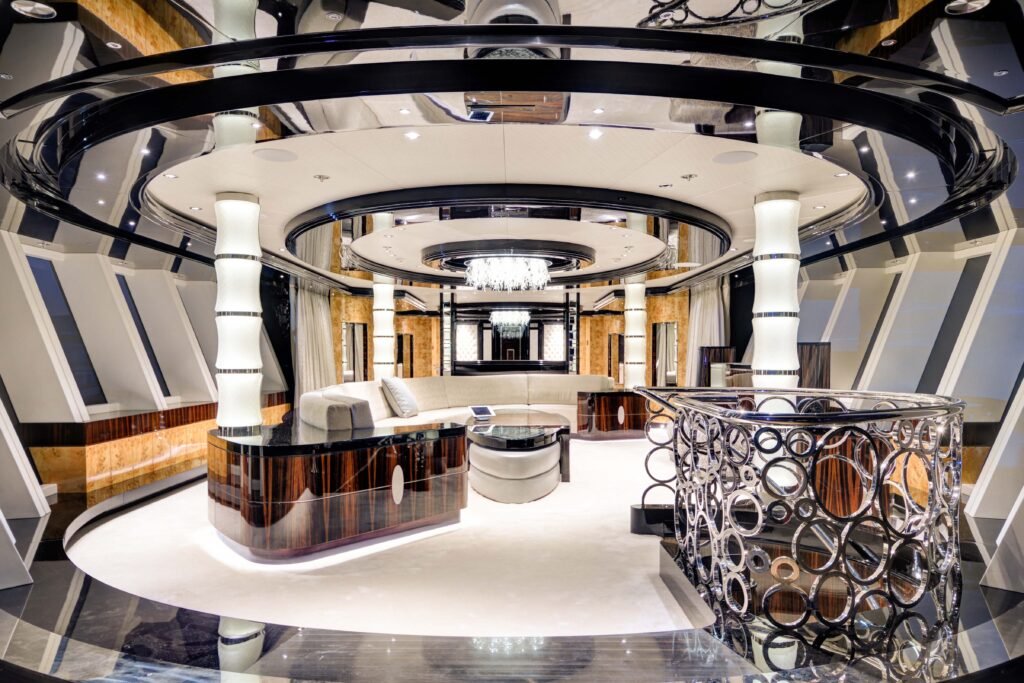
Beyond aesthetics, what kind of spatial impact makes glass decisive in yacht interiors?
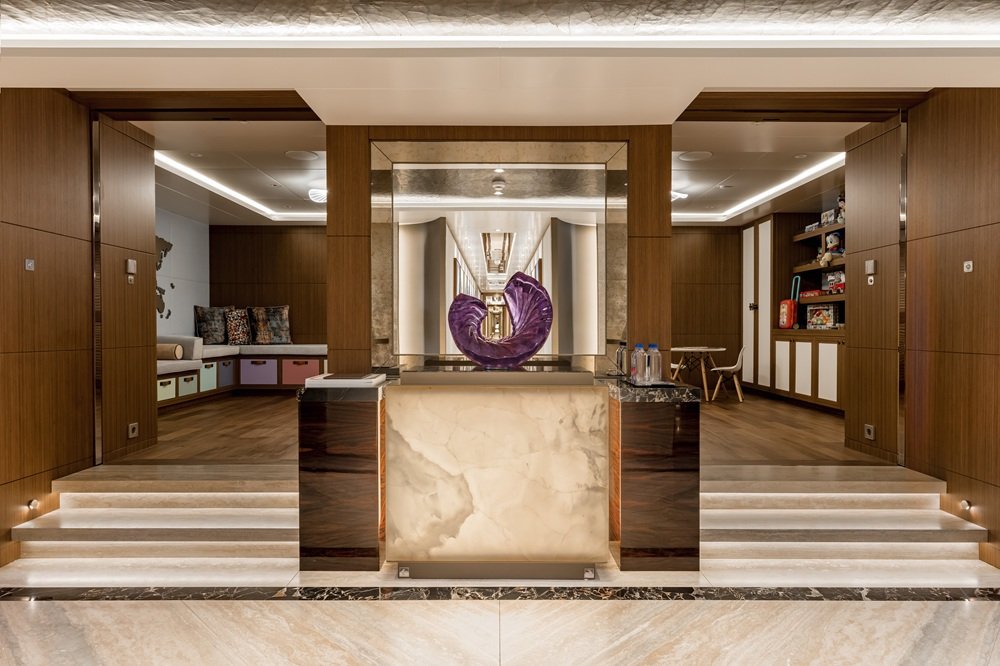
”Glass absorbs light and spreads it into its surroundings as form, reflection, and movement. It gives light a new body-shading it, energizing it, and transforming it into a visual effect.
When placed in a space as a wall sconce, a chandelier, a bar counter, or a sculptural object, glass delivers a magical final touch to the soul of that space.
For this reason, glass represents the moment when design is completed and the identity of the space becomes clear.”
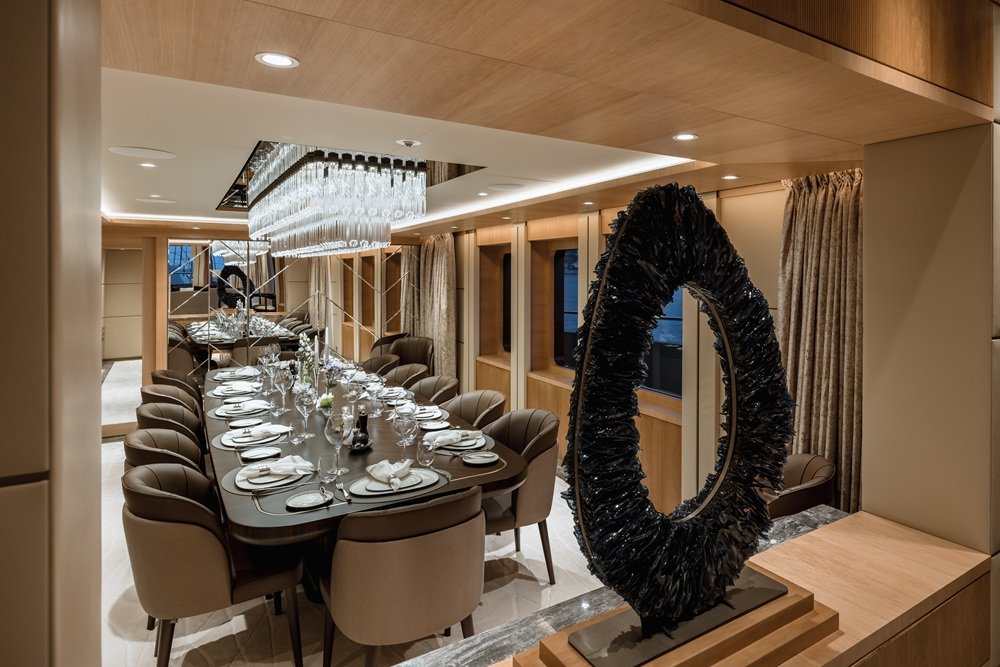
“You cannot hang a chandelier in a yacht the same way you do in a residence.”
International clients may perceive custom production as ‘high risk.’ How does SAKEN manage this perception?
”Having started my career in the yacht sector in 1999 as a technician and worked in various production roles until 2015, I can confidently say that know-how related to yacht production is critically important.
Yachts are not merely living spaces; they are constantly tested by the energy of seas and oceans. The fragile nature of glass creates a serious technical responsibility at this point.
Therefore, it is not enough to transform glass into an aesthetic product; it must also be proven safe. We toughen and laminate the glass and install it using flexible connection systems.
In the more than one hundred projects we have completed since our founding, we have not experienced a single safety issue.”
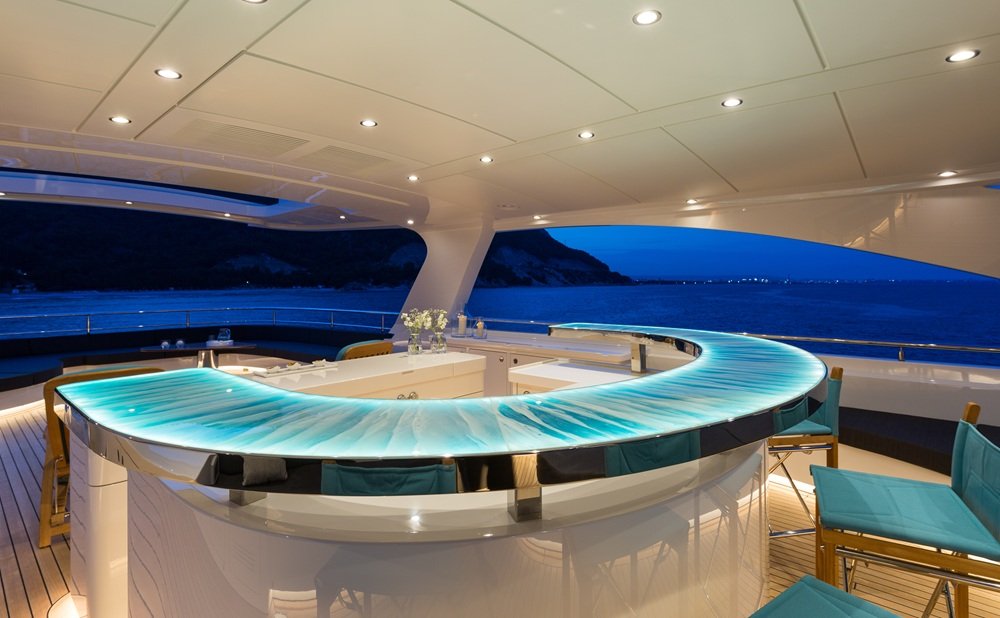
“Each glass piece is truly ‘unique.’”
How does SAKEN's combination of craftsmanship with high-tolerance production standards make a difference in custom projects?
”Glass production requires working with a semi-living material. While the final result is always very close to the design, it differs through subtle nuances.
This difference gives each product its own unique character. Glass itself is not a rare material; however, the rarity of artists and workshops capable of working it in this way makes each piece truly “unique.”
“Saken becomes a sought-after brand rather than merely a visible one for international yacht designers.”
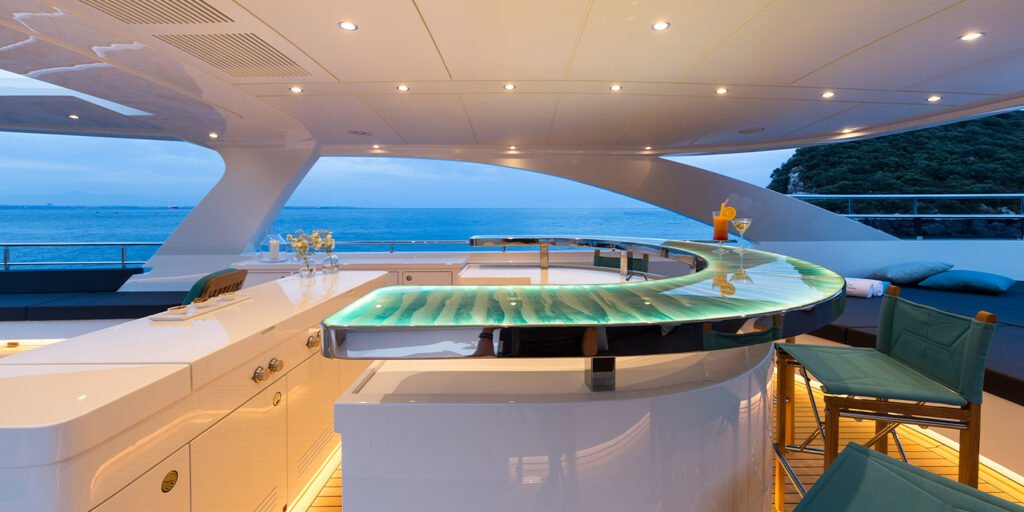
How do you evaluate SAKEN's growing international visibility in yachting?
”Glass art follows the traces of ancient knowledge. True mastery requires many years of dedication. This limited production capacity makes the resulting works valuable.
For this reason, foreign designers increasingly prefer products that carry the mark of this limited mastery. Saken becomes a brand that is sought after rather than simply visible.
The most in-demand product groups are lighting elements and installations.”
“A 500-year-old technique comes to life in superyacht design.”
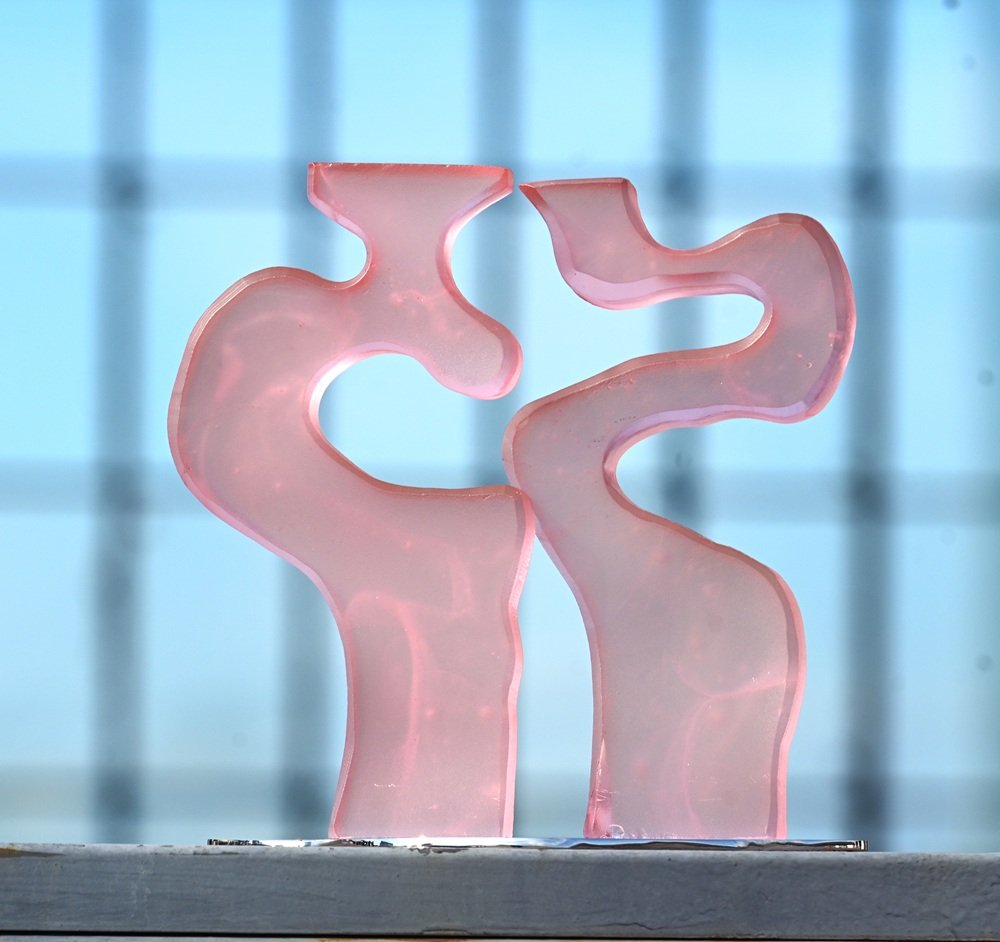
”In its lighting designs, Saken uses the casting glass method, one of the most challenging techniques in glass production. With roots dating back to the 15th century, this technique produces sculptural forms when combined with a modern design approach.
Each object comes to life through mastery, patience, and an artistic vision.”
“Glass has now become indispensable in superyacht design.”
How do you see the role of glass in superyacht design in the coming years?
”The role of glass is steadily increasing. However, this development is directly linked to the visibility and production capacity of artistic glass manufacturers.
Strong communication with designers will enable more original and high-quality glass applications to become widespread in the sector.”
What message would you like to highlight specifically for Boot Düsseldorf?
”In this segment, where series production and semi-custom yachts stand out, I believe collaborations with artistic glass manufacturers create significant value.
Therefore, my message to companies exhibiting their products at the fair is that increasing collaborations with brands producing artistic glass will generate great value.
For yacht builders who want to make a difference, such collaborations provide strong and positive returns.”
Interview: Aslı Sağbilge
This interview demonstrates the multi-layered role of glass in superyacht design-from aesthetics to safety-through SAKEN's production approach.








 English